Executive summary
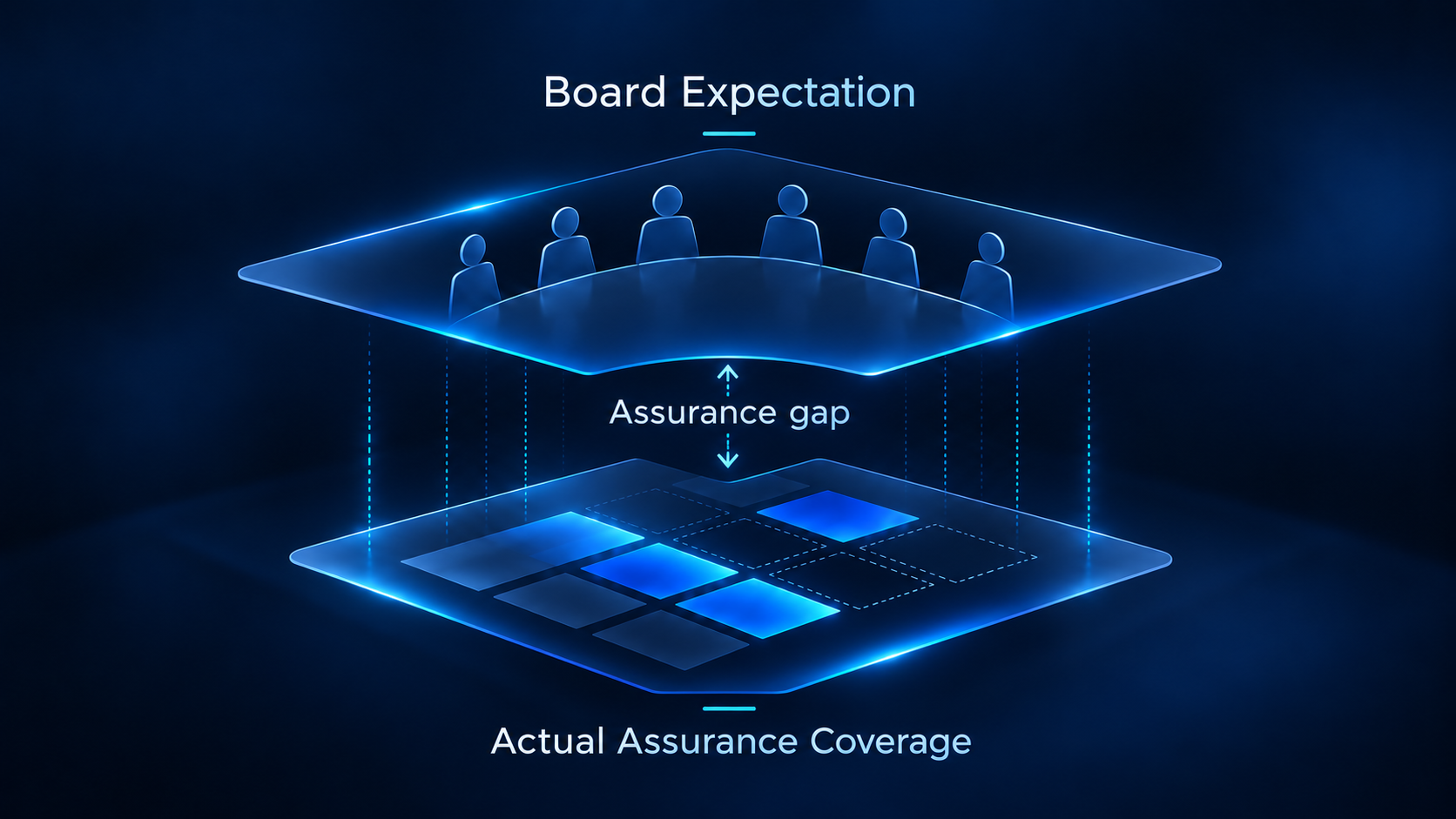
Advisory boards and statutory boards of directors serve very different purposes. Advisory boards bring independent expertise and counsel without legal authority or fiduciary duty, while a board of directors carries statutory accountability for the company under UK law. Understanding the difference helps chairs, founders and executives use each well — and avoid blurring the lines in ways that weaken governance.
Why the distinction matters
Advisory boards and boards of directors are often spoken about as if they were variations of the same thing. They are not. The differences sit at the heart of how a company is governed, who is accountable, and what kind of challenge and counsel the leadership team is actually receiving.
Confusing the two is common — particularly in scaling businesses, founder-led companies and groups setting up advisory boards for the first time. The result is usually one of two problems: an advisory board that drifts into decisions it has no authority to make, or a board of directors that defaults to advice rather than exercising the oversight it is legally responsible for.
What a board of directors is
In the UK, a board of directors is a statutory body. Directors owe duties to the company under the Companies Act 2006, including duties to promote the success of the company, exercise independent judgement, and exercise reasonable care, skill and diligence.
The board of directors carries collective accountability for strategy, risk, controls, financial reporting, culture and the appointment of the executive. Listed and regulated companies are also subject to the UK Corporate Governance Code or sector-specific regimes, which shape composition, independence, committee structure and reporting.
In short: the board of directors decides and is accountable. It is not optional, and its authority does not transfer to anyone else.
What an advisory board is
An advisory board has no statutory standing. Its members are not directors, owe no fiduciary duty to the company, and cannot bind the company or make decisions on its behalf. Their role is to provide independent perspective, sector expertise, technical depth or relationships that the executive and board of directors would not otherwise have access to.
Well-run advisory boards are deliberately scoped. They meet on a defined cadence, work to a clear remit, and provide input on specific themes — for example market entry, technology direction, regulatory change, customer perspective, or international expansion. Their value lies in candour and expertise, not authority.
When an advisory board adds real value
Advisory boards work best when the executive or board genuinely needs perspective that is not already in the room. Typical situations include entering a new market or sector, navigating a regulatory shift, building a capability the leadership team does not yet have, or stress-testing a strategic direction before committing to it.
They also work well in founder-led and pre-IPO businesses that are not yet ready for a fully independent board of directors but need structured external challenge. Used this way, an advisory board can be a stepping stone — building governance discipline before non-executive directors are appointed.
When an advisory board is the wrong answer
Advisory boards should not be used to substitute for governance the company actually needs. If the real issue is weak board composition, unclear committee mandates, inadequate risk oversight or poor information flows, adding an advisory board around the edge will not fix it — and may obscure it.
They are also a poor fit where the company needs decisions, accountability or independent challenge at board level. That is the job of non-executive directors on the statutory board, not advisors without authority.
How to set up an advisory board that works
The most effective advisory boards are small, senior, and tightly scoped. A clear terms of reference sets out purpose, remit, cadence, tenure, confidentiality, conflicts handling and how the advisory board interacts with the executive and the board of directors. Members are chosen for specific expertise rather than profile.
Reporting lines should be explicit. Most commonly the advisory board reports into the CEO or chair, with periodic updates to the board of directors. Outputs are advisory only — recorded, considered, and then accepted, adapted or set aside by those who hold the decision rights.
How the two should work together
When both exist, the boundary needs to be deliberate. The board of directors retains decision rights and accountability. The advisory board contributes expertise and perspective that informs those decisions. Confusion typically arises when advisory board members are treated as quasi-directors, or when directors lean on the advisory board to avoid difficult judgements.
Chairs, company secretaries and CEOs play a critical role in protecting this boundary — through clear terms of reference, disciplined meeting design, and honest conversations when roles start to blur.
Final takeaway
An advisory board is not a lighter version of a board of directors. It is a different instrument, with a different purpose. Used well, it brings expertise and independent perspective into the leadership conversation. Used badly, it blurs accountability and weakens governance. The distinction is worth getting right. Founders and executives weighing up these options can draw on DisInnova's advisory board and board governance support.
Key takeaways
- A board of directors holds statutory accountability under UK law; an advisory board does not
- Advisory boards provide expertise and perspective, not decisions or fiduciary oversight
- Use an advisory board when you need capability or perspective the leadership team lacks
- Do not use an advisory board to paper over gaps in governance or board composition
- Set advisory boards up with clear terms of reference, scope, tenure and reporting lines
- Protect the boundary between advisory input and director decision-making deliberately
Written by
DisInnova Editorial Team
DisInnova's insights are prepared by a senior practitioner-led advisory firm with credentials across internal audit, IT audit, governance, risk management, controls, fraud examination, strategy, corporate governance and financial services, including CIA, CISA, CFE, CRMA, CRISC and related professional certifications.
This article is general advisory information and does not constitute legal, regulatory, audit, tax, investment or professional assurance advice.